
7 Essential Tips Before Renting a Dumpster
Renting a dumpster can be one of the smartest decisions for anyone facing a significant cleanup, renovation, landscaping project, or construction job. Having a designated container for debris keeps the work area more organized and reduces the need for repeated trips to disposal facilities. However, getting the most from dumpster rental services requires more than simply ordering a container and filling it with waste. According to Docket Dumpster, with over 165,000 monthly Google searches in the U.S. alone, people are actively looking for dumpster rental services, highlighting the widespread need for convenient waste disposal options for projects of many sizes. Understanding sizing, placement, rental terms, disposal restrictions, and loading practices can help prevent unnecessary expenses and delays. With some preparation, property owners and project managers can create a waste management plan that supports an efficient project from beginning to end.
1. Assessing Waste Volume and Materials
Before renting a dumpster, estimate how much waste your project is likely to generate. The amount of debris from a small garage cleanout will differ considerably from the waste produced during a roofing replacement, major remodel, or construction project. Underestimating volume can result in needing another container, while selecting a dumpster that is unnecessarily large may mean paying for unused capacity. When evaluating dumpster rental services, explain the scope of your project so the provider can help identify a suitable container size. It is also useful to allow some room for unexpected debris, particularly when renovation or demolition work could uncover additional materials.
The type of waste matters just as much as its volume. Household clutter, construction debris, yard waste, concrete, appliances, and other materials may be subject to different disposal requirements. Certain hazardous substances, including some chemicals, paints, batteries, fuels, and other regulated materials, may be prohibited entirely. Ask the rental provider for a clear list of accepted and restricted items before loading begins. Separating materials that require specialized disposal can prevent contamination of the dumpster and reduce the risk of additional charges.
2. Selecting the Appropriate Dumpster Size and Rental Period
Dumpster sizes vary considerably, so selecting the right capacity is an important part of planning. Smaller containers may be appropriate for household cleanouts or minor renovation work, while larger roll-off dumpsters are generally better suited to extensive remodeling, demolition, and construction debris. Consider both the volume and weight of the materials involved. Heavy debris can reach a dumpster's weight allowance even when the container is not physically full. Discussing the project with a provider can help you compare capacity, dimensions, and weight limitations before making a selection.
Your project schedule should also influence the rental period. Determine when debris generation will begin, how quickly the container is likely to fill, and when the site must be cleared. Coordinating dumpster rental services with the project's actual work schedule can reduce unnecessary rental days while ensuring the container remains available when needed. Ask what happens if the project runs longer than expected and whether additional daily or weekly charges apply. Understanding extension procedures beforehand can make schedule changes easier to manage.
3. Comparing Rental Companies and Pricing
Research several providers rather than choosing solely on the advertised rental price. Customer reviews, recommendations, responsiveness, service areas, container availability, and experience handling similar projects can all provide useful information. Ask each company to explain its delivery and pickup procedures, accepted materials, weight allowances, and policies for extending the rental. Clear communication before booking is especially important because misunderstandings involving timing or disposal restrictions can affect the entire project.
When comparing dumpster rental services, request detailed pricing information so you understand what is included. A quoted rate may cover delivery, pickup, a specific rental period, and disposal up to a stated weight allowance, but policies differ among companies. Ask about charges for excess weight, additional rental days, unsuccessful pickup attempts, prohibited materials, and containers filled beyond permitted levels. Comparing complete estimates rather than base prices provides a more accurate picture of the potential total cost.
4. Reviewing Contracts and Potential Fees
Read the rental agreement carefully before accepting delivery. The contract should identify the container size, rental period, weight allowance, pickup procedure, payment terms, and restrictions on materials. Pay particular attention to conditions that could result in additional charges. For example, exceeding the dumpster's weight limit or filling debris above the container's designated line may create transportation or disposal problems. Understanding these requirements from the beginning allows workers to monitor the container throughout the project rather than discovering an issue at pickup.
Permits can also affect the overall cost. A dumpster placed entirely on private property may have different requirements from one positioned on a public street, sidewalk, alley, or other municipal area. Local rules vary, so determine whether permission is required before scheduling delivery. Some providers may be familiar with local requirements, but property owners should verify their responsibilities. Factoring potential permit fees into the project budget can prevent unexpected expenses and scheduling complications.
5. Planning a Safe and Accessible Placement Area
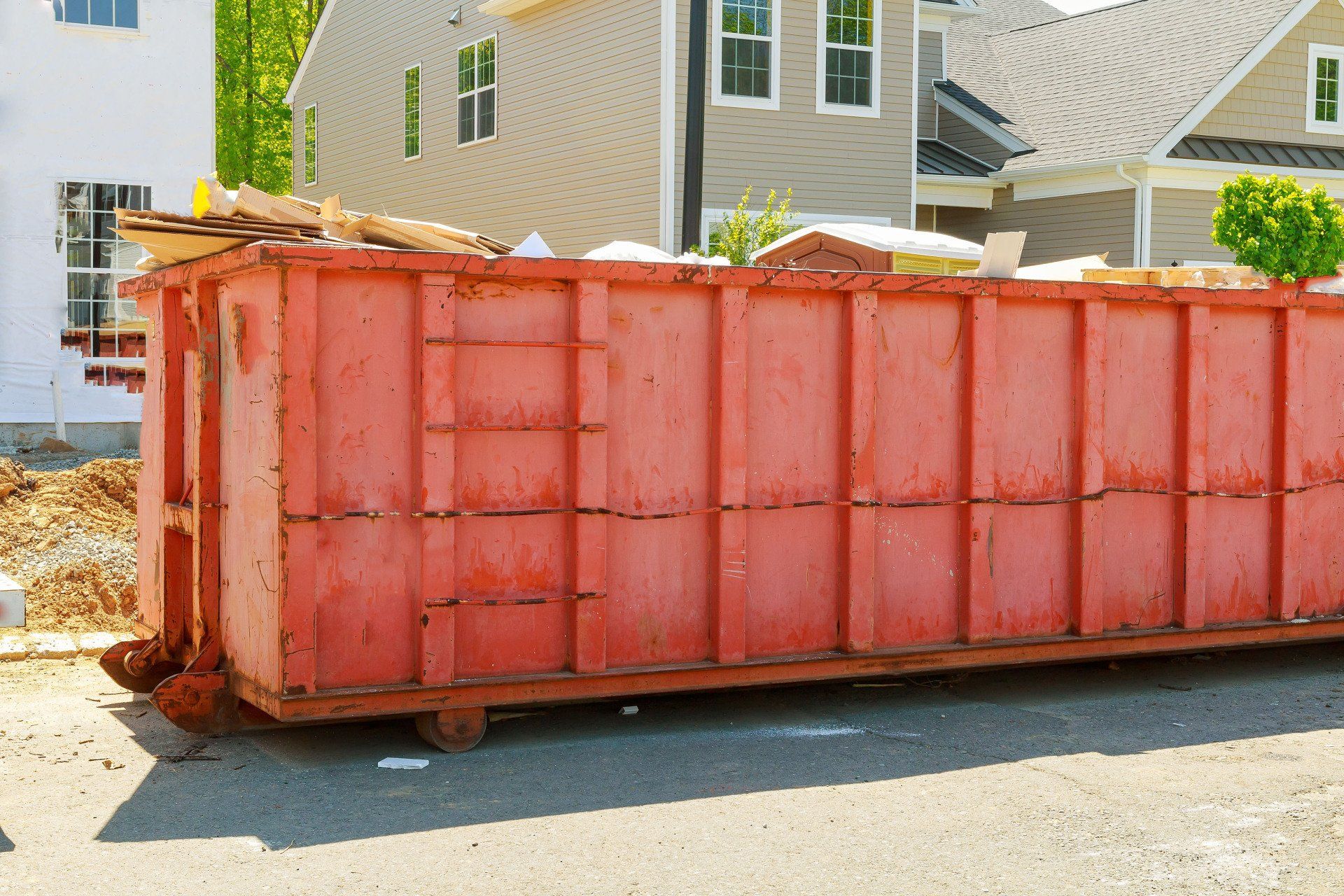
Select the dumpster location before the delivery truck arrives. The area should be reasonably level, stable, accessible, and large enough for both the container and the delivery equipment. Driveways and other paved surfaces are common placement areas, but property owners may want to discuss methods for protecting surfaces from possible damage. Avoid locations that block vehicles, entrances, utility equipment, emergency access points, or frequently used walkways. Adequate overhead clearance is also important because trees, wires, roof overhangs, and similar obstacles may interfere with delivery.
For dumpster rental services to operate efficiently, the pickup area should remain accessible throughout the rental. Avoid parking vehicles or stacking materials where they could prevent the truck from reaching the container. If the dumpster affects neighbors or shared access areas, communicating the plans beforehand may reduce inconvenience. Confirm delivery and pickup windows with the provider and provide any relevant site instructions so drivers understand where the container should be positioned.
6. Loading the Dumpster Efficiently and Safely
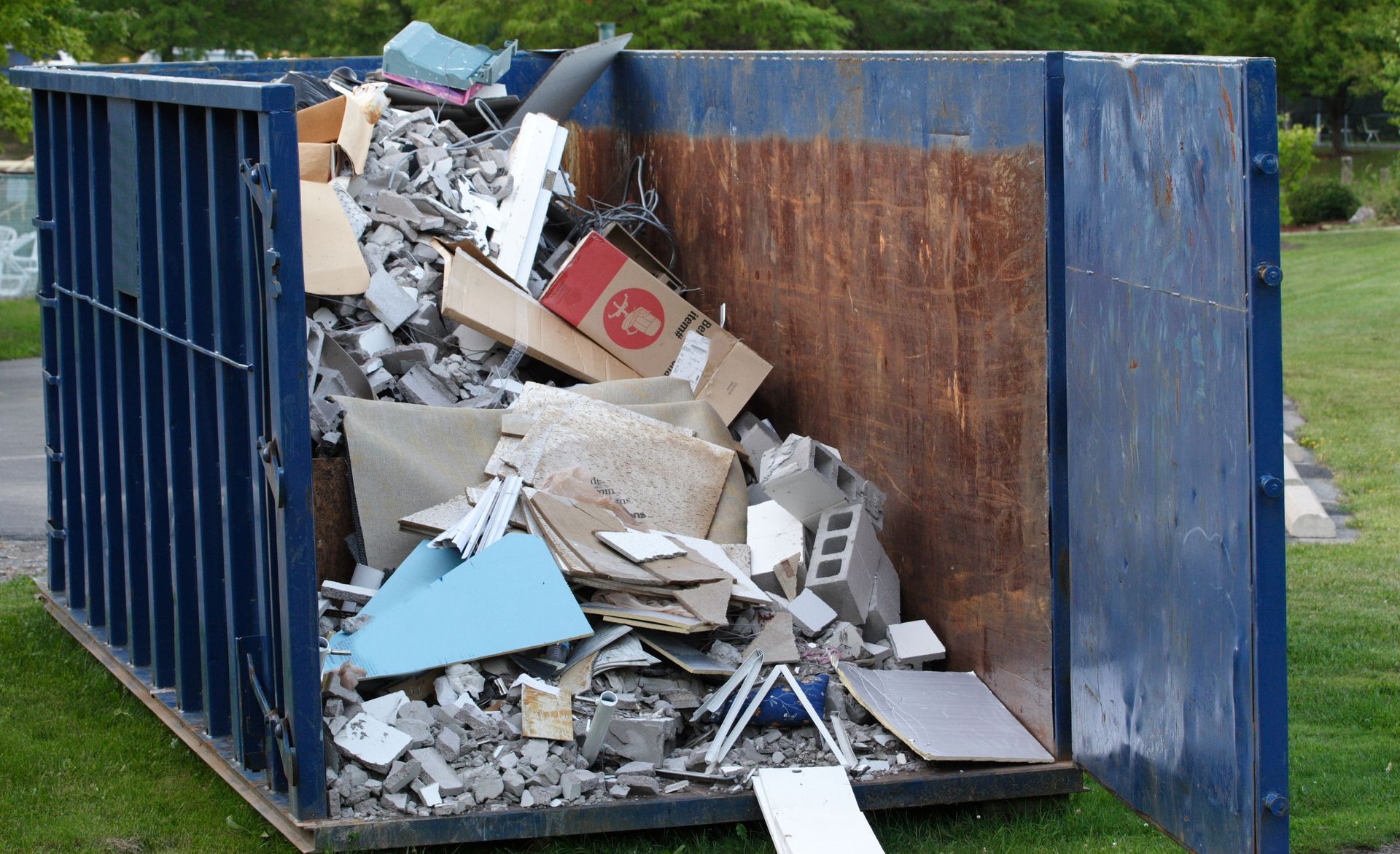
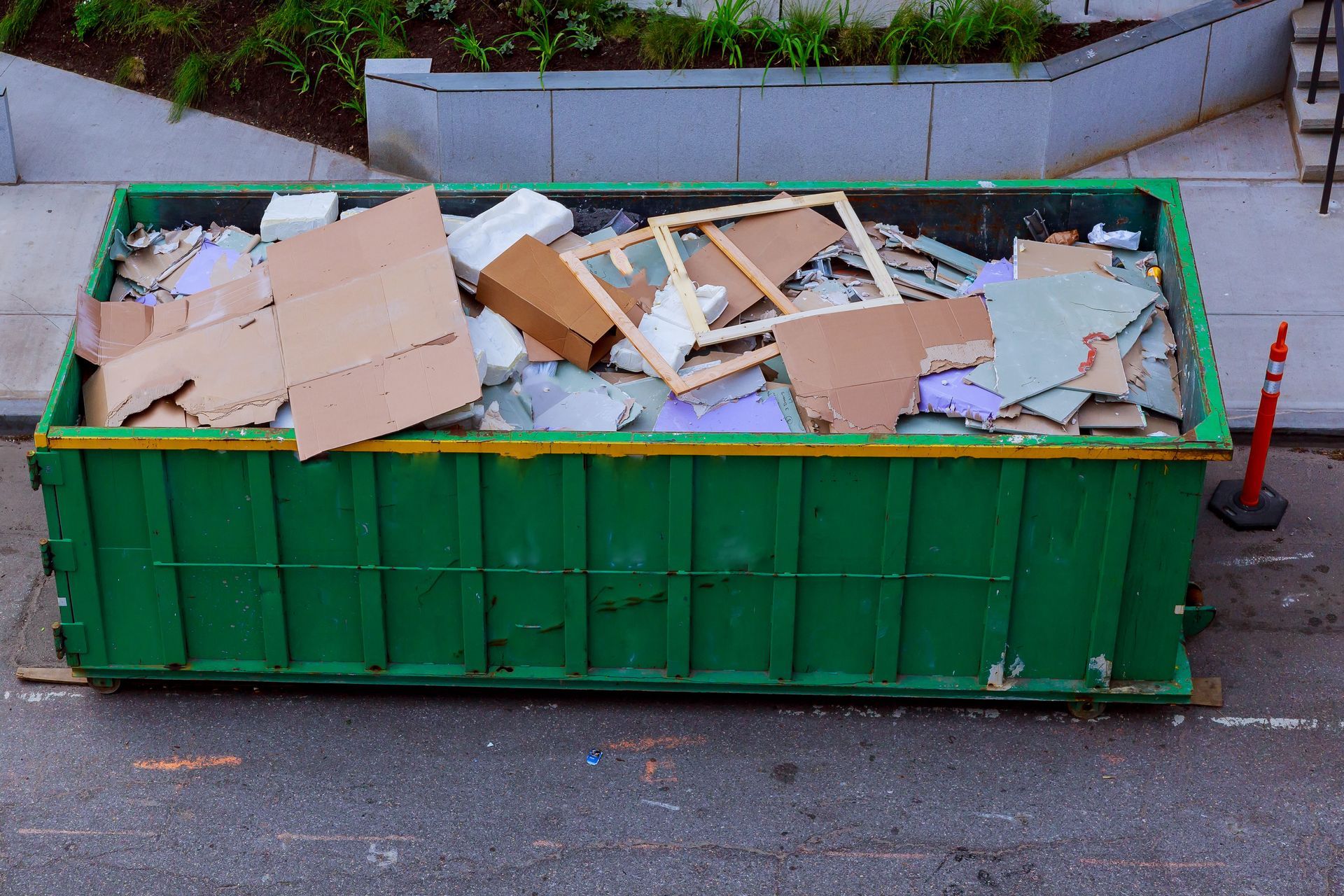
Strategic loading can help maximize available space. Whenever practical, break down cardboard boxes, furniture, cabinetry, and other bulky items before placing them inside. Large flat pieces may be positioned along the bottom or sides, while smaller debris can fill open spaces. Distributing heavy materials evenly is preferable to concentrating substantial weight in one section of the container. Workers should also avoid creating unstable piles that could shift or fall while additional debris is being loaded.
Do not allow materials to extend above the container's permitted fill line. Overfilled dumpsters can present transportation hazards and may not be accepted for pickup until excess debris is removed. Similarly, never assume that unused physical space means additional heavy material can be added. Weight limits still apply. Monitoring both volume and material weight throughout the project can help prevent last-minute unloading, overage charges, or delays when the dumpster is scheduled for removal.
7. Managing Recycling and Restricted Materials
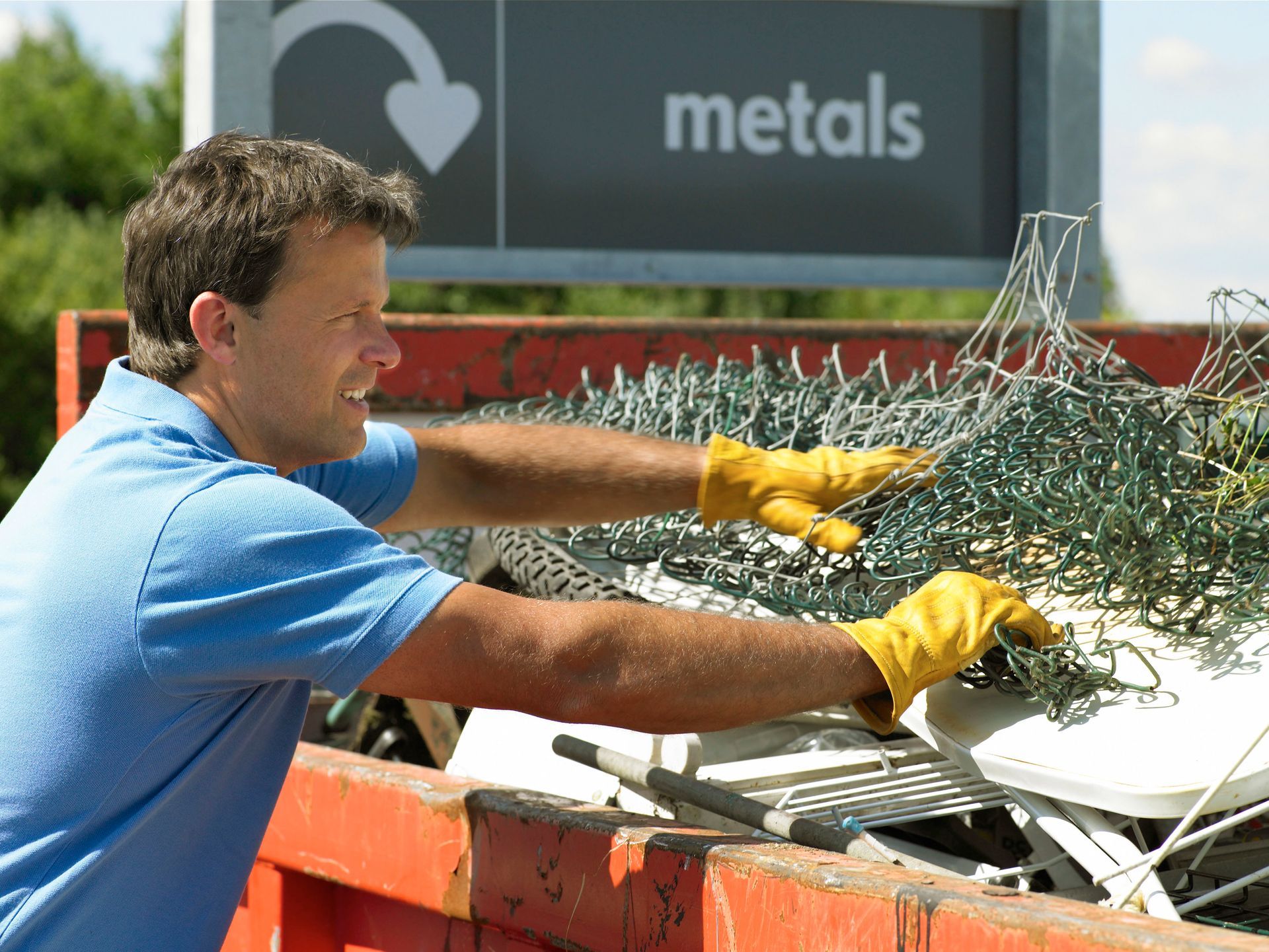
Responsible waste management involves considering whether everything from the project actually belongs in the dumpster. Cardboard, metal, clean wood, certain construction materials, and other recyclables may have alternative disposal options depending on local facilities. Usable furniture, fixtures, building materials, and household items may also be suitable for donation or reuse. Diverting appropriate materials can conserve dumpster capacity while reducing the volume of waste sent for disposal.
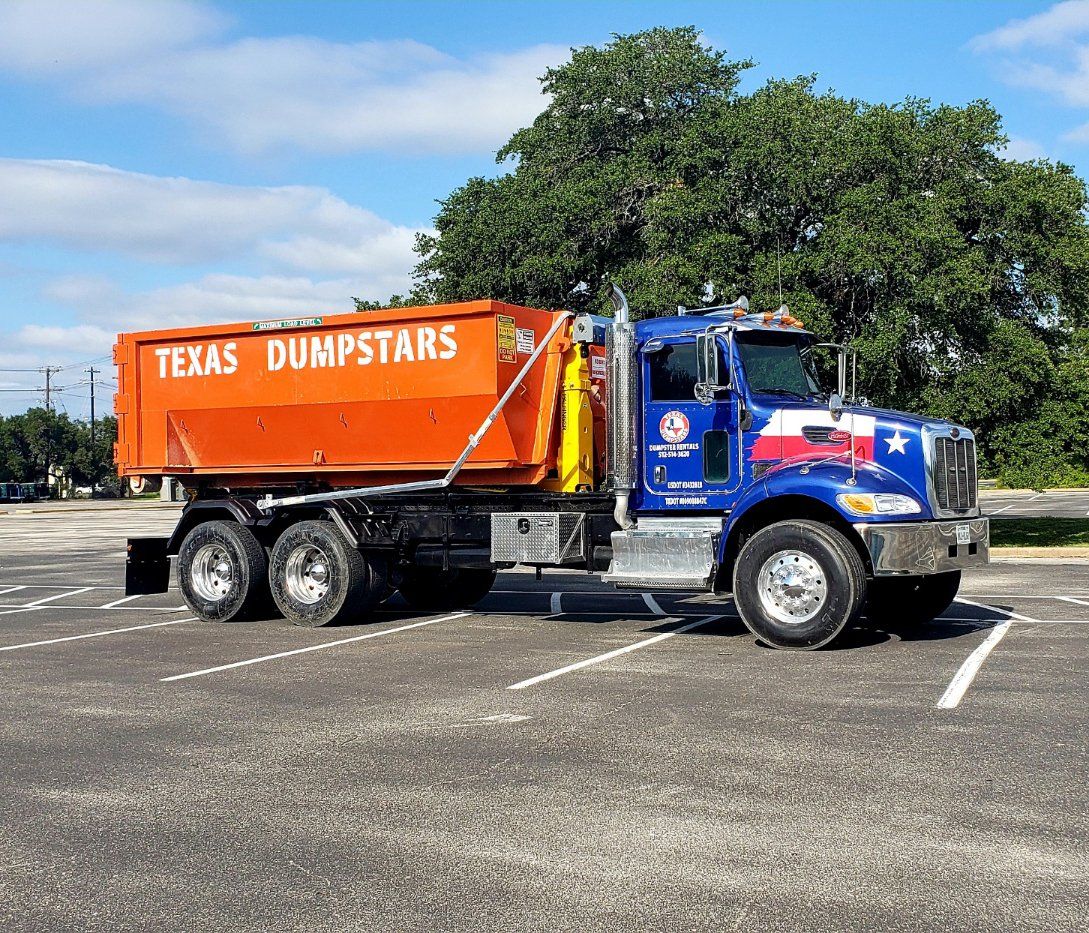
Using dumpster rental services effectively ultimately comes down to preparation and communication. Estimating waste accurately, selecting a suitable container, reviewing fees, following disposal rules, preparing the delivery area, and loading debris carefully can make waste management considerably easier. After pickup, inspect the placement area for small debris, nails, screws, or other materials that may have fallen during loading. A well-planned rental helps keep the worksite organized while allowing cleanup to progress alongside the rest of the project rather than becoming a problem at the end. Contact our team at Texas Dumpsters today and learn more about our dumpster rental services.

Share On: